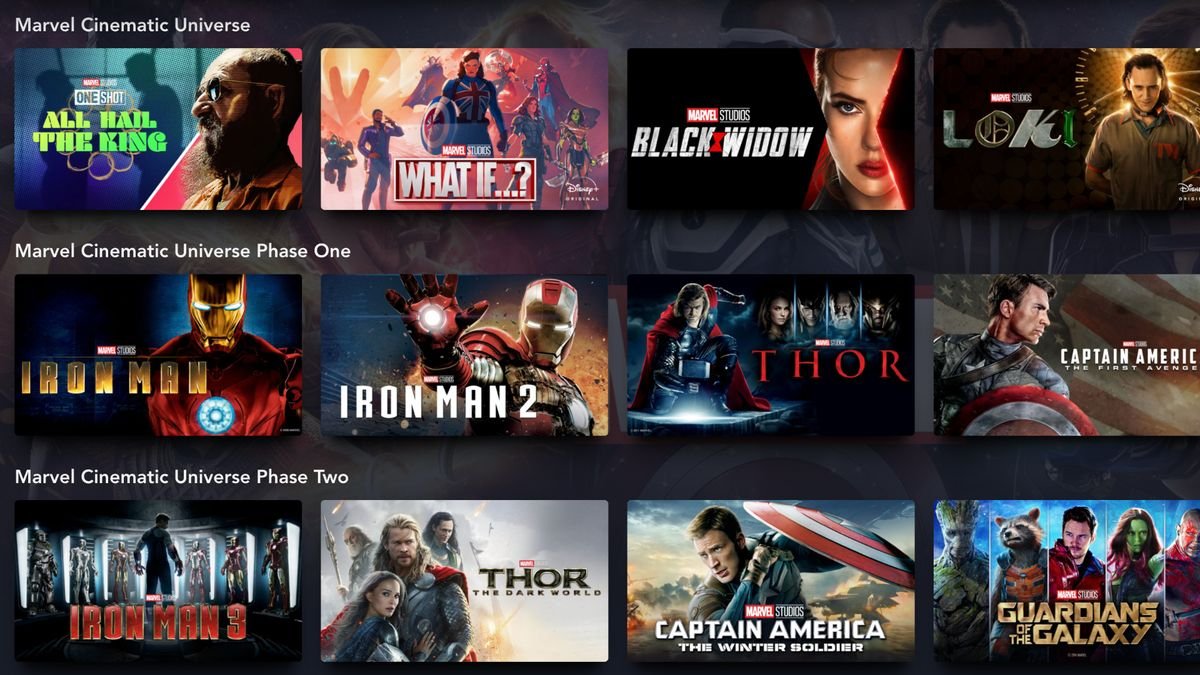
You know the feeling. You're scrolling through streaming services, eager to rewatch a beloved Spider-Man film, only to find it's not where you expect. One movie on Disney+, another on Netflix, perhaps an older one on a different platform entirely. This digital scavenger hunt is a direct symptom of the complex, often perplexing, web of deals surrounding everyone's favorite wall-crawler. Understanding Sony-Marvel Streaming Rights and Deals isn't just for industry insiders; it's key to appreciating the unique journey of Spider-Man in film and anticipating his future.
Spider-Man's cinematic life is a fascinating, almost unique, case study in Hollywood's corporate ballet. While he's an iconic Marvel character, his film rights have been tethered to Sony Pictures for decades, a legacy decision that continues to shape every appearance he makes on the big and small screen. This arrangement has birthed both unprecedented creative collaborations and ongoing commercial negotiations, leaving fans to wonder where their friendly neighborhood hero truly belongs.
At a Glance: Spider-Man's Unique Rights Situation
- Sony's Ownership: Sony Pictures holds the long-standing film rights to Spider-Man and nearly all associated characters, a deal predating the Marvel Cinematic Universe (MCU).
- The "Loan" Arrangement: Tom Holland's iteration of Spider-Man is loaned by Sony to Marvel Studios for specific appearances within the MCU, allowing him to interact with the Avengers.
- Limited MCU Role (Currently): Holland's Spider-Man typically appears in his solo films (produced by Sony in collaboration with Marvel) and major MCU team-up events (Captain America: Civil War, Avengers: Infinity War, Avengers: Endgame). He's generally excluded from smaller MCU cameos or roles in Sony's own non-MCU spin-off franchises like Venom or Morbius.
- Ongoing Negotiations: Sony and Marvel are frequently at the negotiating table, discussing the future of Spider-Man's involvement in the MCU, potential new trilogies, and crossovers.
- Streaming Maze: Due to these intricate deals, Spider-Man films can appear on various streaming services, depending on specific licensing agreements struck over the years.
The Tangled Web We Weave: Why Spider-Man's Home Isn't Simple
To grasp the current situation, we need a quick trip back in time. In the late 1990s, Marvel Comics was in financial straits, leading them to sell the film rights to many of their most popular characters. Spider-Man, by far their most valuable asset, went to Sony Pictures Entertainment. This wasn't a temporary lease; it was a comprehensive transfer of rights for feature films, television series (of a certain length), and merchandising related to those film adaptations.
Fast forward to the early 2010s. Marvel Studios, now owned by Disney, was building its interconnected cinematic universe, the MCU, to unprecedented success. Yet, the character often considered Marvel's flagship hero, Spider-Man, remained locked away in Sony's vault. After two Spider-Man trilogies from Sony (Sam Raimi's original and Marc Webb's Amazing Spider-Man), both studios realized the potential synergy. Fans desperately wanted Spider-Man in the MCU, and Sony, despite its success with the character, could benefit from the MCU's narrative might and global marketing machine.
This mutual interest led to the landmark 2015 deal: Sony would loan Spider-Man to Marvel Studios for creative control within the MCU, while still retaining financial control, distribution rights, and ultimate ownership. It was a partnership born of necessity and opportunity, creating a unique hybrid situation that has continued to evolve and perplex in equal measure.
How Spider-Man Swings Between Universes: The Current Arrangement
The core of the deal is straightforward on paper but complex in execution: Tom Holland's Spider-Man is Sony's character, but Marvel Studios gets to play with him. This means his solo films, like Spider-Man: Homecoming, Far From Home, and No Way Home, are produced by Sony Pictures in close creative collaboration with Marvel Studios President Kevin Feige and his team. Sony handles the marketing and distribution, reaping the lion's share of the box office revenue.
Crucially, this "loaned" status has specific limitations. Holland's Spider-Man is primarily restricted to his solo outings and the biggest, most impactful MCU team-up films. Think Captain America: Civil War, which introduced him to the MCU, and the epic conclusions of the Infinity Saga, Avengers: Infinity War and Avengers: Endgame. He pops in for world-altering events, not for smaller, character-driven MCU series or minor film cameos. This maintains the character's special status while ensuring Sony's primary asset isn't diluted in Disney's ever-expanding universe without sufficient compensation or strategic benefit.
This distinction is precisely why you haven't seen Tom Holland's Peter Parker show up in a WandaVision episode or assisting Daredevil. It's also why he hasn't (yet) formally crossed over into Sony's own universe of Spider-Man adjacent characters, often referred to as Sony's Spider-Man Universe (SSU), which includes films like Venom, Morbius, and Kraven the Hunter. While Venom: Let There Be Carnage famously teased a confrontation between Tom Hardy's Venom and Holland's Spider-Man in a post-credits scene, that was a brief, tantalizing glimpse rather than a full narrative integration. The question of when, or if, that confrontation fully materializes remains a major point of fan speculation and ongoing negotiation.
Understanding the Fine Print: What "Rights" Really Mean
When we talk about film rights, it's not a single, monolithic entity. It's a bundle of distinct powers:
- Character Rights: The fundamental right to use the character in any live-action or animated production. This is what Sony primarily owns for Spider-Man.
- Production Rights: The right to actually make the movie – hire directors, cast actors, manage the creative process. In the current deal, this is a shared effort, with Marvel Studios taking the creative lead for the MCU Spider-Man films.
- Distribution Rights: The right to release the movie in cinemas worldwide, handle physical media (DVD/Blu-ray), and license it to broadcasters. Sony retains these for the Holland Spider-Man films.
- Streaming Rights: This is where it gets particularly complicated for viewers. These are often carved out as separate deals. A distributor (like Sony) might license a film to a specific streaming service for a period, or it might retain it for its own platform.
For example, when a film like Spider-Man: No Way Home on Disney+ eventually lands on a platform like Disney+ (after initial runs elsewhere), it's not because Disney owns the film or Spider-Man outright. It's the result of a separate, post-theatrical window licensing deal struck between Sony Pictures and Disney (or any other streaming platform like Netflix). Sony, as the distributor, is selling the right to stream the movie to various companies for a set period and region, maximizing its revenue long after the box office run. This is why you might see different Spider-Man films on different services or why a film might move between platforms.
These streaming agreements are dynamic, often expiring and being renegotiated. They are a significant revenue stream for studios, making them a crucial component of any major film deal. The "post-theatrical window" for new releases can be a highly competitive and lucrative space, often seeing bidding wars between major streaming players.
The High-Stakes Negotiation Table: What's Next for Spidey?
The good news for fans is that the relationship between Sony and Marvel Studios is, by all accounts, productive and ongoing. Insiders like Daniel RPK have indicated that Sony and Marvel Studios are indeed in negotiations for a new deal concerning Tom Holland's Spider-Man. These discussions reportedly coincide with plans for an entirely new Spider-Man trilogy, suggesting a continued, perhaps expanded, future for the character within the MCU.
So, what could this new potential deal entail?
- Increased MCU Appearances: A significant desire from fans (and likely Marvel) is for Spider-Man to have a broader presence in the MCU beyond just his solo films and massive team-ups. A new deal could loosen these restrictions, allowing for cameos, appearances in Disney+ series, or integration into smaller ensemble films.
- SSU Crossovers: The biggest unresolved question is the full integration of Tom Holland's Spider-Man into Sony's own universe of villains and anti-heroes. The Venom: Let There Be Carnage post-credits scene was just a taste. A new deal could pave the way for a proper, narrative-driven crossover, potentially bringing Holland's Peter Parker face-to-face with Tom Hardy's Venom in a full feature film, or even Kraven the Hunter. This would be a massive event for both universes and a lucrative opportunity for Sony.
- Long-Term Planning: With a new trilogy reportedly on the table, the deal would likely secure Spider-Man's presence in the MCU for years to come, potentially leading up to major events like Avengers: Secret Wars, for which his appearance is widely anticipated.
- Financial Terms & Creative Control: Like all such deals, the specifics come down to money and creative authority. Sony will want to ensure its ownership is respected and profitable, while Marvel will want enough creative freedom to weave Spider-Man seamlessly into its overarching narrative. It's a delicate balance of shared interests and proprietary assets.
These negotiations are complex because they don't just involve one character; they involve the creative direction of two massive, interconnected cinematic universes, each with its own slate of films and shows, and billions of dollars at stake.
Navigating the Multiverse of Streaming: Where to Watch What
Given the Byzantine nature of these rights, finding Spider-Man films on streaming can be a headache. Here’s a general framework for understanding why different films land in different places:
- Sony's Library: Sony Pictures owns the distribution rights to all the live-action Spider-Man films they have produced, including the Sam Raimi trilogy (Spider-Man, Spider-Man 2, Spider-Man 3), the Amazing Spider-Man films (The Amazing Spider-Man, The Amazing Spider-Man 2), and the Tom Holland MCU trilogy. Sony then licenses these films to various streaming platforms.
- Theatrical Window Deals: Major film releases often have exclusive streaming deals for their initial pay-per-view and subscription streaming windows. For example, Netflix has often secured first-window streaming rights for new Sony films, meaning a new Spider-Man movie might go to Netflix first after its theatrical run and PVOD release.
- Legacy Deals & Regional Differences: Older films might be part of legacy deals that predate the streaming wars, or they might be licensed differently in various countries due to regional broadcasting laws and existing contracts.
- Disney+ & Hulu: While Disney owns Marvel, they don't own the Spider-Man films. Any Spider-Man movie on Disney+ or Hulu (also owned by Disney) is there because Sony has licensed it to them, usually after its initial streaming window with another service has expired. This is generally a separate agreement from the creative deal that allows Spidey into the MCU. The eventual appearance of a film like Spider-Man: No Way Home on Disney+ is a prime example of such a licensing arrangement, allowing fans to finally catch up on the blockbuster hit within Disney's ecosystem, albeit after its run on other platforms.
- Animation & TV: Animated Spider-Man series can have entirely different rights holders and streaming homes, further complicating the picture. Spider-Man: Into the Spider-Verse and Across the Spider-Verse, while Sony productions, are also subject to their own unique streaming deals.
The key takeaway is that streaming availability is fluid. A film might be on Netflix today, Hulu tomorrow, and a completely different service next year. Keeping an eye on announcements from both Sony and the streaming platforms themselves is the best way to stay informed.
Beyond the Mask: Tom Holland's Own Path
Tom Holland's portrayal of Spider-Man has been central to the character's modern cinematic success. His youth, charm, and genuine enthusiasm for the role have endeared him to a global audience. However, as an actor, his career extends far beyond the red and blue suit.
Holland has actively pursued a diverse range of projects outside the MCU and SSU. His non-Marvel filmography includes the dystopian science fiction film Chaos Walking, the gritty crime drama Cherry, and the action-adventure adaptation of the popular video game, Uncharted. Most recently, he's delved into television with the drama series The Crowded Room, where he stars alongside notable talents like Amanda Seyfried, Sasha Lane, and Will Chase. These projects showcase his versatility and commitment to honing his craft, reminding us that while Spider-Man is a significant part of his identity, it's not the only one. His growing star power certainly adds weight to the ongoing negotiations between Sony and Marvel.
Common Questions & Misconceptions About Spider-Man's Future
The unique situation of Spider-Man often sparks a lot of questions. Let's clarify some common ones:
Q: Will Spider-Man ever fully belong to Marvel Studios/Disney?
A: Extremely unlikely. Sony has held these rights for decades and Spider-Man films are consistently massive box office successes for them. The current arrangement allows both studios to benefit from the character's popularity without Sony relinquishing its incredibly valuable asset. The creative collaboration is a win-win, making a full sale unnecessary for either party.
Q: Why can't Venom just fight Tom Holland's Spider-Man already?
A: This is largely due to the restrictions of the existing loan deal. While Sony owns both characters, the deal with Marvel specified that Holland's Spider-Man was primarily for MCU integration. Any substantial crossover with Sony's SSU characters would likely require a new, more expansive agreement, which is precisely what's being negotiated. The tease in Venom: Let There Be Carnage was a clear signal of Sony's intent, and fans anticipate movement on this front with a new deal.
Q: Is Sony's Spider-Man Universe (Venom, Morbius, Kraven) connected to the MCU?
A: It's "loosely" connected, but still distinct. The post-credits scene of Venom: Let There Be Carnage and the brief appearance of Michael Keaton's Vulture in Morbius indicate a multiverse awareness, but these are more Easter eggs and potential future bridges rather than full narrative integration. The SSU is primarily Sony's playground, while the MCU remains Marvel Studios' domain. Any full crossover would signify a deeper, more formal agreement.
Q: When is the next Tom Holland Spider-Man movie coming out?
A: While no specific release date has been officially announced, industry speculation and insider reports anticipate the next Spider-Man film around 2026. This timing would place it strategically before major MCU events like Avengers: Secret Wars, making Spider-Man a key player in the next saga's build-up. These dates, of course, are subject to the outcome of current negotiations and production schedules. The concluding Venom trilogy this year also frees up potential pathways for future crossover events or solo Spidey films.
Q: Does Tom Holland's contract for Spider-Man limit his other movie roles?
A: While actors in major franchise roles often have demanding schedules and exclusivity clauses, Holland has clearly been able to pursue a variety of other projects, as seen with Chaos Walking, Cherry, Uncharted, and The Crowded Room. His non-Marvel work shows he's not solely defined by the web-slinger, a testament to his agents' negotiation skills and his own drive to explore diverse roles.
Looking Ahead: The Web That Binds and Divides
The intricate dance between Sony and Marvel Studios over Spider-Man's film and streaming rights is a testament to the character's enduring power and the complex realities of modern Hollywood. For fans, it’s a double-edged sword: it allows for the joyous integration of Spider-Man into the MCU, fulfilling a long-held dream, but it also creates the streaming maze and the frustrating delays in desired crossovers.
As negotiations continue for a potential new Spider-Man trilogy and increased integration, the future looks promising for even more exciting stories. Whether you find him swinging through the MCU, battling villains in the SSU, or popping up on a new streaming service, one thing remains clear: Spider-Man's cinematic journey is far from over. Understanding the corporate agreements behind the scenes simply gives you a richer appreciation for the creative triumphs and commercial maneuvers that bring our favorite hero to life. So, keep your eyes peeled for news from both Sony and Marvel, because the web is always spinning, and Spider-Man's next adventure is always just around the corner.